Volunteer Opportunities for High School Students: How to Make Service Count
How to find volunteer opportunities as a high schooler, why sustained service beats a pile of scattered hours, and how to turn volunteering into responsibility and impact.
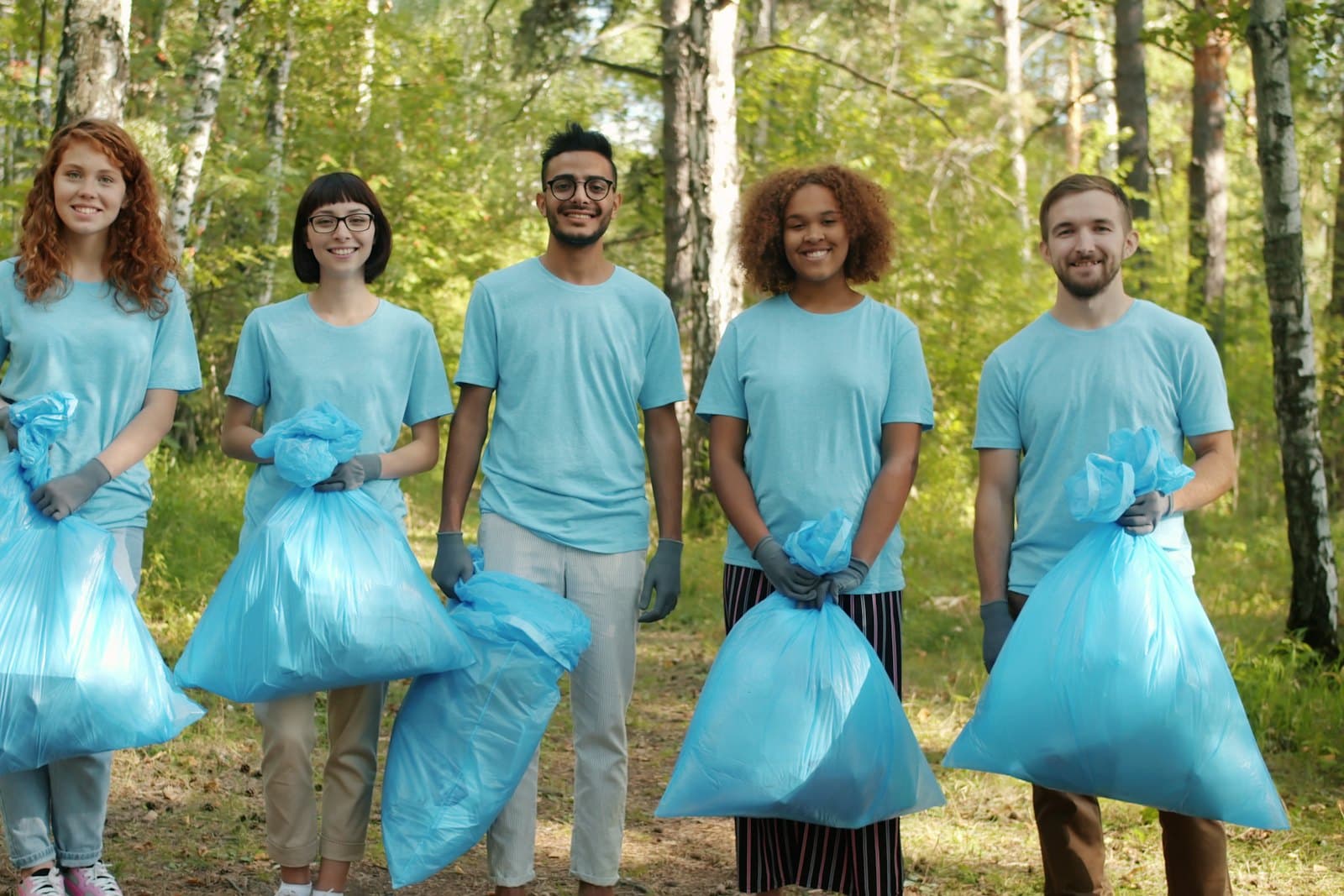
Volunteering is one of the most accessible extracurriculars there is. You don't need experience, connections, or money to start, and nearly every community has more need than volunteers. But there's a big difference between service that shapes who you are and hours logged to fill a form. Here's how to find the first kind.
Why sustained service matters more than hours
It's tempting to treat volunteering as a number to maximize. Colleges and scholarship committees generally don't read it that way. A long list of one-off events says you showed up. Sustained commitment to one cause says you cared enough to come back, learned how the work actually runs, and earned more responsibility over time.
That arc, from helper to someone the organization relies on, is what makes service meaningful on an application and, more importantly, to you.
Where to find volunteer opportunities
Good places to start:
- Hospitals and health organizations. Many run junior or teen volunteer programs, often with minimum age and training requirements. A natural fit if you're drawn to medicine and health.
- Food banks, shelters, and community centers. Regular shifts, clear needs, and plenty of room to take on more as you prove reliable.
- Libraries, museums, and parks. Tutoring, reading programs, events, and outdoor conservation work.
- Tutoring and mentoring programs. Helping younger students is service that builds your own skills and often turns into leadership.
- Environmental and advocacy groups. Cleanups, campaigns, and education work for students interested in social impact.
- Your own school and faith or cultural communities. Service clubs and community organizations you already belong to are often the easiest way in.
Trailnode lists volunteer opportunities open to high school students, including structured programs with set schedules and application dates.

How to choose the right one
- Start with a cause, not a résumé line. Pick something you'd care about even if nobody counted the hours. It's what keeps you coming back.
- Check the real requirements. Minimum ages, training sessions, background checks, and schedule commitments vary a lot. Confirm them before you apply.
- Favor regular over occasional. A weekly shift at one place builds relationships and responsibility in a way scattered events can't.
- Think about the skills. Tutoring builds teaching and communication. Event work builds organizing. Choose service that also grows something in you.
How to turn service into impact
- Ask for more responsibility. Once you're reliable, ask to train new volunteers, run a station, or help plan an event. That's how service becomes leadership.
- Solve a problem you notice. Volunteers often see gaps staff don't have time to fix. Proposing and running a small fix is one of the strongest things you can do.
- Start your own project. A drive, a tutoring program, or a partnership with your school, built on what you learned while volunteering.
- Track what you did. Keep dates, hours, and specific contributions. You'll want them for applications, scholarships, and recommendation requests.

How volunteering helps your application
Service shows character in a way test scores can't: commitment, empathy, and follow-through. The strongest volunteering stories have depth and growth, a cause you stuck with and a role that expanded because you earned it. Service experience also comes up often in scholarship applications, where community involvement is frequently part of what committees look for.
Related guides
- Extracurricular Activities for College Applications
- Leadership Opportunities for High School Students
- How to Find Scholarships as a High School Student
Start this week
Choose one cause you genuinely care about, then browse volunteer opportunities for high schoolers and pick one place that fits your schedule. Commit to a regular shift for a full semester before adding anything else. Depth in one place will take you further than a dozen single visits.