How to Get Research Experience in High School (Without Knowing a Professor)
A step-by-step guide to landing real research experience as a high schooler: from cold-emailing labs to structured programs and independent projects.
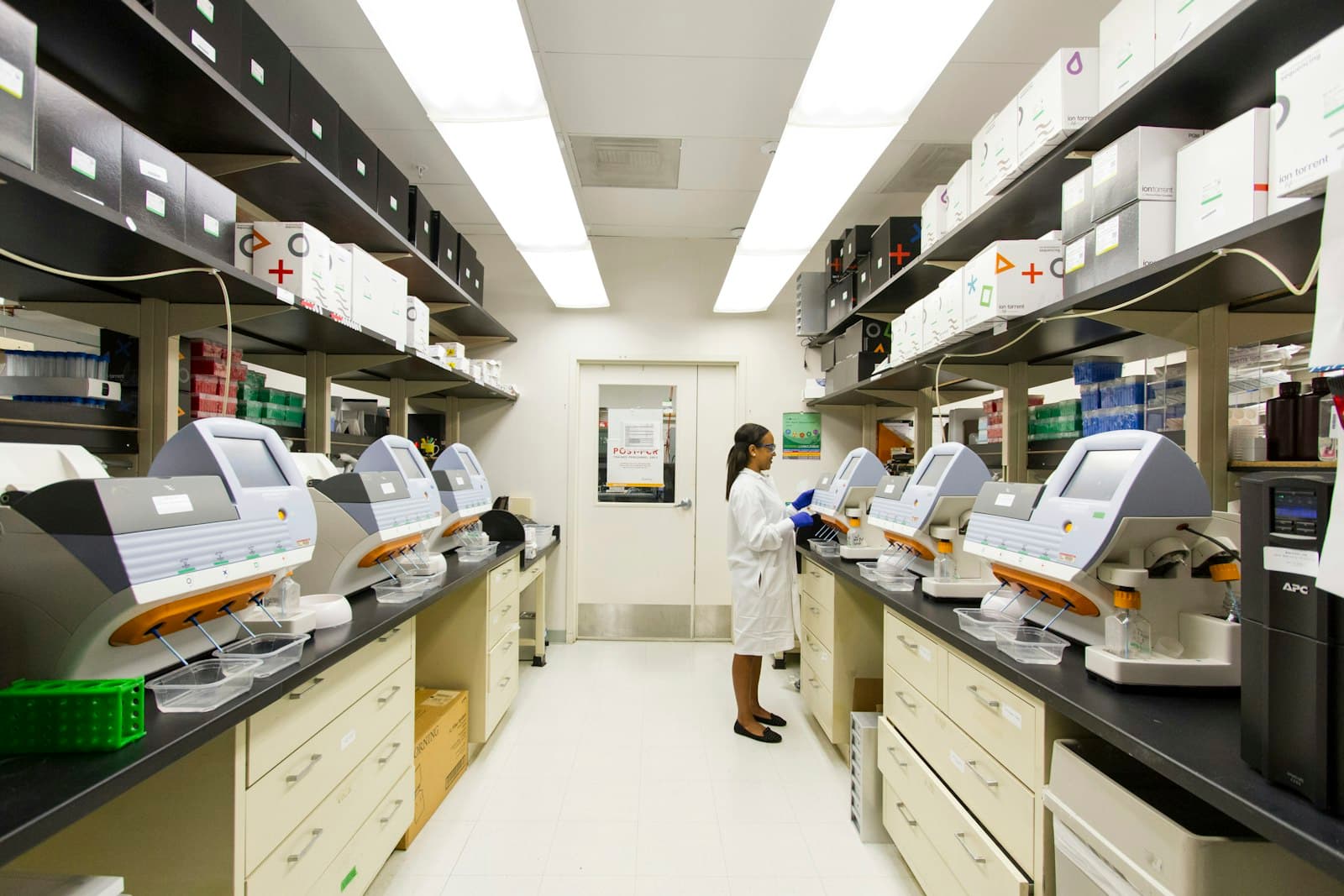
Research experience is one of the most valuable things a high schooler can have: for college applications, for figuring out what you actually like, and for learning how knowledge gets made. But it feels locked behind a door most students don't have a key to: you need to know a professor.
You don't. Here are the three realistic routes in, ranked by how accessible they are.
Route 1: Structured research programs
The easiest entry point is a program built for students. Universities, hospitals, and national labs run summer research programs where you're paired with a mentor and a real project.
Pros: Designed for minors, structured, often come with a credential or poster session. Cons: Competitive, with deadlines months ahead (usually December–February), and some charge tuition.
Start by searching research programs and filtering by what you can realistically travel to or do remotely. Make a list of 8–15 and track every deadline in one place.

Route 2: Cold-emailing labs directly
This is how a surprising number of students get in, and almost nobody does it, which is exactly why it works.
Professors and graduate students often want extra hands on a project. A motivated high schooler who can commit consistent hours is genuinely useful for data entry, literature review, running samples, or building simple tools.
The email formula:
- Find the right person. Look up your local or nearby university's department pages. Find 15–20 labs whose work you can honestly say you find interesting.
- Read one thing they wrote. The abstract of a recent paper is enough. You need one specific, true sentence about their work.
- Write a short email. Under 150 words. Who you are, the specific thing you read, what you want to learn, how many hours a week you can give, and an offer to send your transcript.
- Send many. Expect most to go unanswered. A 10–20% reply rate means 2–4 conversations from 20 emails. You need one yes.
Don't be discouraged by silence. Busy people miss emails. A single polite follow-up after a week is appropriate.
Route 3: Independent research
You don't always need a lab. A lot of meaningful research can be done with public datasets, open-source tools, surveys, or fieldwork.
Examples that have worked for students:
- Analyzing a public health or climate dataset and writing up the findings.
- A computational project using freely available data.
- A local-issue study: water quality, traffic patterns, a survey of your community.
Independent work shows initiative, and it's something you fully control. You can later submit it to a competition or science fair, or use it to prove competence when cold-emailing labs.
What to do once you're in
Getting the spot is the start, not the finish. To get a strong recommendation letter and actually learn something:
- Be reliable. Show up, hit deadlines, communicate early when something slips. Reliability is rarer than talent and mentors remember it.
- Ask good questions, but try first. Google and read before you ask. Then ask specific questions.
- Keep a log. Write down what you did each session. It makes your final write-up (and your resume bullet points) effortless.

A realistic word on expectations
Your first research experience probably won't be glamorous. You may spend weeks cleaning data or reading. That is research; most of it is patient, unglamorous work. The students who get invited back are the ones who treat the unglamorous parts seriously.
Related guides
- Extracurricular Activities for College Applications
- Summer Internships for High Schoolers
- Competitions for High School Students
Start this week
Pick one route. If you want structure, browse research programs and note three deadlines. If you'd rather move fast, draft your cold email and build a list of 20 labs. Either way, the only real mistake is waiting until next year.